Mutual Fund Categories

DSP Large Cap Fund

Last updated: May 20, 2026 3 min

Large Cap Mutual Funds Explained

Many investors want to participate in equity markets but are mindful of the risks involved. Large cap mutual funds invest in some of the biggest and most established companies in India. They focus on businesses that have operated through multiple economic cycles. Historically, this category has shown relatively lower volatility compared to mid cap and small cap funds.

What Are Large Cap Mutual Funds?

Large cap mutual funds invest primarily in the top 100 companies in India ranked by market capitalization. As per regulations, these funds must invest at least 80 percent of their portfolio in large cap stocks.

Large cap companies usually have diversified business models, large customer bases, and strong financial foundations. This helps create a different risk-return profile compared to mid cap and small cap funds.

Why Large Cap Funds Matter

Large cap funds are important for investors who want growth through equity but prefer smoother investment experiences.

Stability during volatility
Historically, large cap stocks have shown lower drawdowns than smaller companies during market corrections, partly because they tend to have more diversified business models. This does not guarantee protection from losses.

High liquidity
Large cap stocks trade in higher volumes. If the fund needs to buy or sell holdings, it can usually do so efficiently without significantly affecting prices.

Professional research coverage
Large companies receive extensive research attention from analysts and market participants. This gives fund managers better access to information and performance indicators.

Suitable for new investors
Large cap funds invest in companies that are widely tracked and have longer operating histories, which some investors find easier to follow. All equity investments carry market risk.

How Large Cap Funds Invest

Fund managers generally build portfolios of 30 to 50 stocks across sectors to diversify risk. They evaluate companies based on earnings growth, valuations, financial strength, and long-term business outlook.

Stock selection
Managers track company performance, compare valuation opportunities, and identify sectors that may offer favourable long-term growth. They adjust portfolios when business or market conditions change.

Sector allocation
Large cap funds often maintain diversified exposure across sectors. The exact allocation varies depending on the fund’s strategy and market environment.

Risk and Return Profile of Large Cap Funds

Large cap funds are still equity investments, so they fluctuate with market movements. However, their range of fluctuation has historically been narrower than mid cap and small cap funds.

Large cap funds have historically underperformed during strong broad-based bull markets but shown relatively lower drawdowns during corrections. Past performance is not indicative of future results.

Large Cap Funds vs Other Equity Funds

Feature Large Cap Funds Mid Cap Funds Small Cap Funds
Investment Universe Predominantly invest in Top 100 companies Predominantly invest in ranked 101 to 250 Predominantly invest in companies beyond top 250
Volatility Historically lower than mid and small caps Historically High Historically High
Suitable For Conservative equity investors Investors with high risk appetite and longer horizons Investors with high risk appetite and longer horizons
Time Horizon 5 to 7 years or more 10 years or more 10 years or more

Large cap funds suit investors who want a balance of stability and growth, while mid cap and small cap funds suit investors willing to tolerate higher volatility for potentially higher returns.

Who Should Consider Large Cap Mutual Funds?

Large cap mutual funds suit investors who want equity participation with potentially lower volatility. They can work well across different investor profiles when matched with the right time horizon and comfort level.

Conservative equity investors
If you prefer equity exposure but are mindful of higher volatility seen in mid cap and small cap categories, large cap funds may be worth considering. Historically, they have shown relatively lower volatility, though this may not hold in all market conditions.

First-time investors
Beginners often find large cap funds a comfortable starting point because the underlying companies are familiar and widely tracked. Regular SIPs starting from as low as ₹100 can help build investing discipline and reduce the risk of investing a lump sum at an unfavourable time.

Long-term financial goals
Large cap funds are suitable for goals planned 5 to 7 years or more into the future. They help create sustainable equity exposure for objectives such as children’s education or long-term wealth creation.

Investors can explore different large cap strategies to find one that matches their risk comfort and investment horizon. DSP Large Cap Fund has been investing in India’s top 100 companies since 1999 and follows a large cap approach focused on stability and quality.

Common Misconceptions

Large cap funds do not deliver high returns
They may not always outperform mid cap or small cap funds during bull markets, but over full market cycles, large cap funds can deliver competitive returns with less volatility.

All large cap funds are identical
Even within the top 100 companies, fund managers choose different stocks and sector allocations. This creates performance differences across funds.

Large cap means risk-free
Large cap funds still carry equity risk. They can decline during broad market corrections but usually fall less than mid & small cap funds.

Key Takeaways

  • Large cap funds invest at least 80 percent in the top 100 companies. Returns are not guaranteed and investments are subject to market risk.
  • Historically, they have shown lower volatility compared to mid cap and small cap funds. Past performance is not indicative of future results.
  • Suitable for beginners, conservative investors, and those with long-term goals.
  • Performance varies based on stock selection and sector allocation.
  • Large cap funds still carry market-linked risk.

Try the fast, easy & paperless process of investing today!

  • Lightning fast account setup
  • Fast, easy & paperless transactions
  • Track & monitor investments
SIGN UP

Frequently Asked Questions

What qualifies a mutual fund as a large cap fund?

A mutual fund is classified as a large cap fund when it invests at least 80 percent of its assets in the top 100 companies by market capitalization. These rankings are determined using average market values, and fund portfolios are reviewed regularly to maintain category alignment.

Are large cap funds less risky than other equity funds?

Large cap funds are generally less volatile than mid cap or small cap funds because they invest in established companies. However, they still experience market-linked fluctuations. Their relative stability makes them suitable for investors who want lower volatility equity exposure.

How long should I stay invested in a large cap fund?

Large cap funds work best for investment horizons of 5 to 7 years or more. Longer horizons help smooth out market fluctuations and support compounding.

Are large cap funds suitable for beginners?

Yes. Beginners often find large cap funds easier to understand and more comfortable to hold because the underlying companies tend to be stable and widely followed. SIPs starting from ₹100 also make them accessible.

Get Expert Guidance Get Expert Guidance
Submit your details and our team will connect with you securely
- no spam, no unsolicited calls

Disclaimer

Product Suitability

This product is suitable for investors who are seeking*

  1. Long-term capital growth
  2. Investment in equity and equity-related securities predominantly of large cap companies

*Investors should consult their financial advisors if in doubt about whether the scheme is suitable for them.


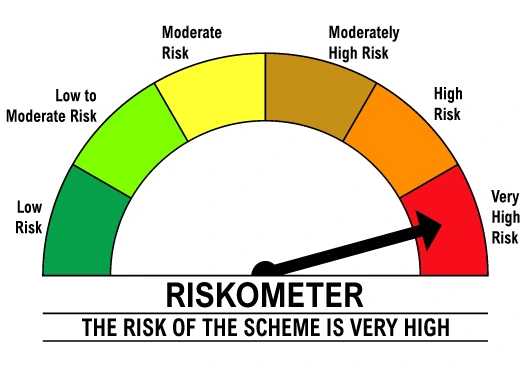
Scheme** Riskometer

Very High Risk

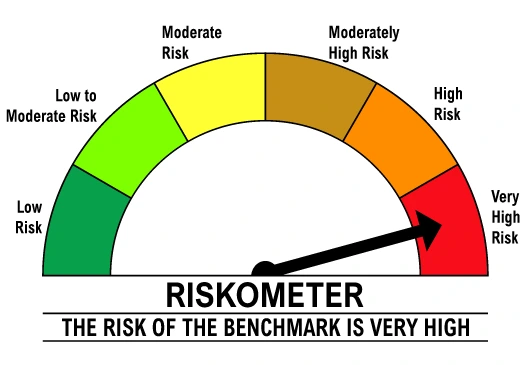
Benchmark^ Riskometer

Very High Risk

** Scheme: DSP Large Cap Fund (Ex DSP Top 100 Equity Fund)

^ Benchmark: Nifty 100 TRI , Gold

Mutual Fund investments are subject to market risks, read all scheme related documents carefully.