 Account Statement
  Capital Gain Statement
  Key Information Memorandum
  PAN Updation
  Register / Modify KYC Online
  Nominee Registration
  Email / Phone Updation
  OTM / eNACH Registration
  Voluntary Lock-in for Mutual Fund Folios
  FAQs
FAQs Reach us







Summary
In a world obsessed with picking the next big winner, this conversation flips the script. A global equity investor explains why avoiding mistakes matters more than chasing returns, how valuation protects you when narratives fail, and what really builds resilience in global portfolios. Less excitement, more endurance, and a framework designed to help you stay invested when markets test conviction.
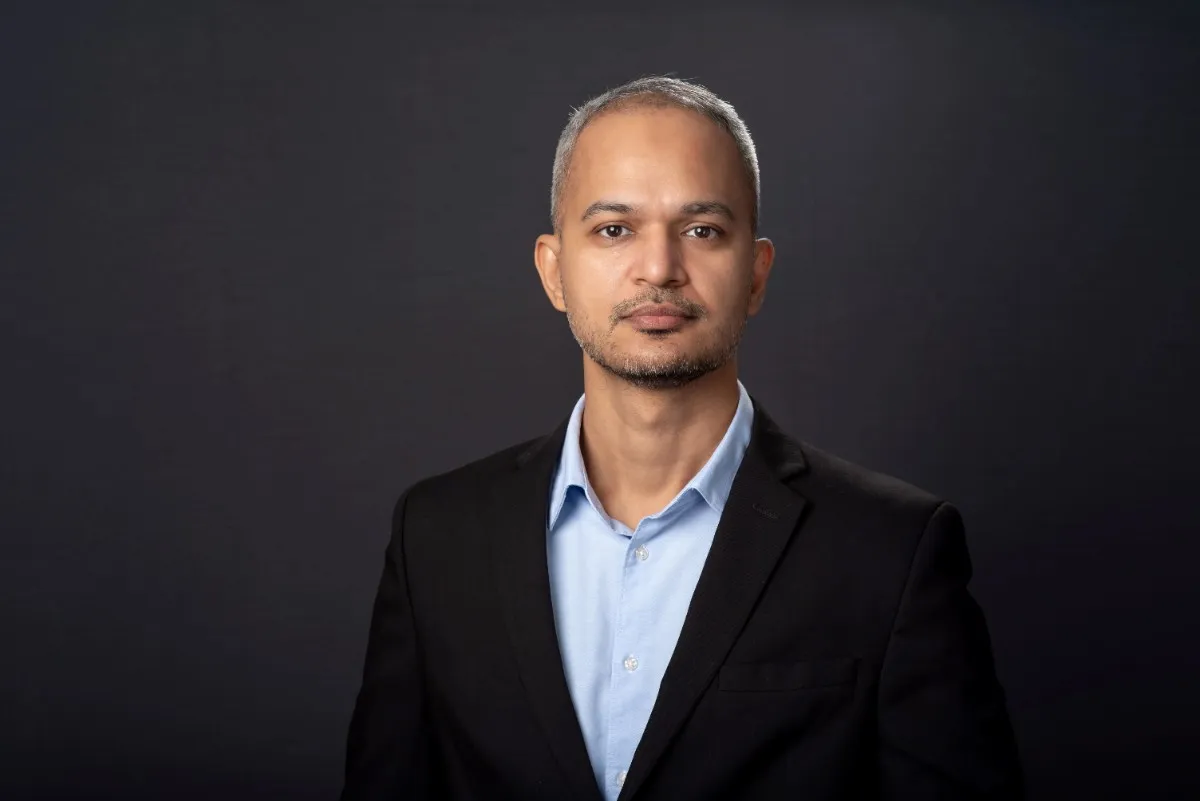
In this edition of The Investor Asks, we speak with Natraj S. and Jayesh Jain about why fundamentals without valuation are dangerous, how mistakes matter more than misses, and what it really takes to build a resilient global portfolio in an uncertain world.
1. Many investors obsess over picking winners. You talk more about avoiding mistakes. Why?
“Getting one thing wrong can undo ten right decisions.”
In equity investing, errors compound faster than insights. You can have the fundamentals right, but if the valuation is stretched, the outcome is rarely forgiving. The real damage often comes from three places: weak governance, chasing narratives you don’t fully understand, or investing without enough rigor.
Avoiding these doesn’t guarantee success, but ignoring them almost guarantees failure.
2. How do you think about fundamentals and valuation together?
“They are inseparable. One without the other is incomplete.”
Strong fundamentals matter only when they are supported by reasonable valuations. If you overpay, even a great business can deliver disappointing returns. The discipline is not in forecasting perfection, but in insisting on a margin of safety. Markets forgive patience more than they forgive enthusiasm.
3. Global investing is fashionable. But what does diversification actually mean?
“Diversification is not geography. It’s behavior.”
For someone starting out, simplicity matters. A broad exposure to the US through indices can be a sensible first step. Gold can play the role of insurance, especially in a world where monetary discipline has become optional.
Only after that does active global allocation make sense, when you’re equipped to judge countries, currencies, and cycles. Otherwise, complexity becomes confusion.
4. Many global portfolios look crowded around famous names. How do you avoid that?
“We go where value exists, not where familiarity lives.”
The process is unconstrained. Market cap, geography, or popularity don’t define opportunity—value does. That said, we narrow the universe to stay sharp. Large companies dominate global market cap for a reason, but when smaller opportunities with clear economics appear, we don’t ignore them.
Filters guide us; they don’t imprison us.
5. What defines value for you in a global context?
“Value needs a catalyst. Without it, cheap stays cheap.”
A business must have three things: long-term growth potential, reasonable valuation, and a trigger for value recognition. Sometimes the catalyst is visible, sometimes it’s simply time and cycle normalization. But without one, patience turns into inertia.
6. How do you deal with politically complex markets like China?
“You don’t predict politics. You size risk.”
Every geography carries risk. Democratic or otherwise. Policy shocks, sanctions, regulation, they’re not exclusive to any system. The response isn’t avoidance; it’s calibration.
China has produced exceptional businesses and extraordinary wealth creation over decades. The risk is real, but so is the opportunity. Position sizing is how we respect both.
7. How do you handle situations where the market runs away without you?
“Missing an idea hurts less than owning a mistake.”
There are times when patience turns into regret. Being too valuation-conscious can mean watching great businesses rerate without you. But discipline demands consistency.
If the margin of safety isn’t there, you let it go. Investing is not about capturing every upside, it’s about surviving long enough to benefit from the right ones.
8. Why are you comfortable holding cash at times?
“Cash is not a forecast. It’s optionality.”
We don’t hold cash because we’re bearish. We hold it when opportunities don’t clear the hurdle. Cash gives you speed and clarity when markets dislocate.
It’s not a drag, it’s dry powder for moments when fear returns faster than reason.
9. How do you think about big themes like AI and technology?
“Great businesses outlast narratives.”
Technology leaders have repeatedly reinvented themselves, cloud, platforms, ecosystems, and now AI. The challenge isn’t believing in innovation; it’s valuing it correctly.
When outcomes become too hard to handicap, stepping aside is also a decision. Not everything needs to be owned.
10. Do you believe in having an information edge?
“Understanding beats access.”
In today’s world, information is abundant. Insight is rare. Being physically closer to markets doesn’t guarantee better decisions. What matters is how deeply you understand a business, its economics, and its incentives.
Time spent thinking often beats time spent traveling.
11. What advice would you give a long-term investor starting today?
“Start simple. Add complexity only when conviction grows.”
A core allocation to proven markets, patience through cycles, and a willingness to judge managers by process, not just performance.
The goal isn’t to predict the next decade. It’s to stay invested through it.
Editor’s Note:
This conversation is a reminder that investing is less about brilliance and more about restraint. By focusing on fundamentals, valuation, and mistake avoidance, the framework doesn’t promise excitement, but it does offer endurance. And in markets, endurance is underrated alpha.
Watch the full conversation:
The Ramneek Kundra Show | Episode 4
Industry insights you wouldn't want to miss out on.
Disclaimer
In this blog, DSP Asset Managers Private Limited (“the AMC”) has used information that is publicly available, including information developed in-house. All figures and other data given in this document for the fund are as on December 1st, 2025 (unless otherwise specified) and the same may or may not be relevant in future and the same should not be considered as solicitation/recommendation/guarantee of future investments by the AMC or its affiliates. Investors are advised to consult their own legal, tax and financial advisors to determine possible tax, legal and other financial implication or consequence of subscribing to the units of the schemes of the DSP Mutual Fund. While utmost care has been exercised while preparing this document, neither the AMC nor any person connected warrants the completeness or accuracy of the information and disclaims all liabilities, losses and damages arising out of the use of this information. The recipient(s), before acting on any information herein, should make his/her/their own assessment and seek appropriate professional advice. This video is for information purposes only. The statements contained herein may include statements of future expectations and other forward looking statements that are based on prevailing market conditions / various other factors and involve known and unknown risks and uncertainties that could cause actual results, performance or events to differ materially from those expressed or implied in such statements. The sector(s)/stock(s)/issuer(s) mentioned in this document do not constitute any recommendation of the same and the Fund may or may not have any future position in these sector(s)/stock(s)/issuer(s). The investment approach / framework / strategy mentioned herein are currently followed by the scheme and the same may change in future depending on market conditions and other factors. Past performance may or may not sustain in future and should not be used as a basis for comparison with other investments.
Mutual Fund investments are subject to market risks, read all scheme related documents carefully.













 .
.

Write a comment